




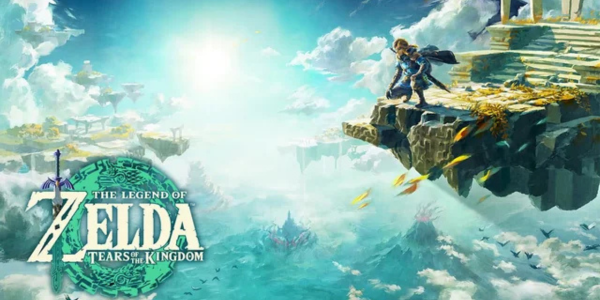
In the world of video games, few objects have had such an impact on gamers as the’Zelda's sword. Whether you're discovering it for the first time with controller in hand, or recognizing it at a glance on a poster, it immediately evokes adventure, light in the face of darkness, and the moment when history turns upside down.
In this article, you'll find a simple definition of the Master Sword, five concrete reasons that explain its cult status, a few pointers to understand its design variations, and then a mini-guide to choosing a replica to display, give as a gift or integrate into a cosplay outfit. If you like this type of object, you can also discover other manga & video game replicas.
What exactly is the Master Sword?
When we say «Zelda's sword», we are most often talking about the Master Sword the emblematic sword associated with the saga's great heroic quest The Legend of Zelda. It's not just a powerful weapon: it's a central object symbolizing the fight against evil and the hero's responsibility.
Depending on the translation and the episode, you may also come across French names such as Legendary Sword or Master Sword. The names vary, but the idea remains the same: a sword «apart», intimately linked to the myth of the series. Official works dedicated to Zelda (guides and artbooks published around the license, including the official Explorer's Guide (Tears of the Kingdom)) regularly feature this sword as a central landmark in the universe.
Why Zelda's sword has become a symbol for fans (5 reasons)
1) A rite of passage: the sword “must be earned”
It's not just the item that makes a lasting impression, but the way in which it is obtained. In players« memories, the Master Sword is often associated with an almost ritualistic scene: a sealed, protected sword that must be approached at the right moment, after a significant test or progression. As a result, the Master Sword is no mere »loot", but a consecration.
2) Recognition of the hero: courage, responsibility, destiny
The Master Sword not only represents strength. Above all, it embodies a narrative shift: one in which the character (and the player with him) moves from adventurer to protector. It's a sword that conveys a powerful idea: courage has a price, and power comes with responsibility.
3) A constant narrative point of reference through the generations
The Zelda saga has evolved with the times, graphic styles and consoles, but the legendary sword serves as a common thread. Even when its appearance or context changes, its presence is a reminder that we are indeed in Zelda: a universe where legend is passed on, reinvented and returns to inspire each new adventure, as the following reminds us Hyrule Historia.
4) Instant iconography (even without knowing the whole saga)
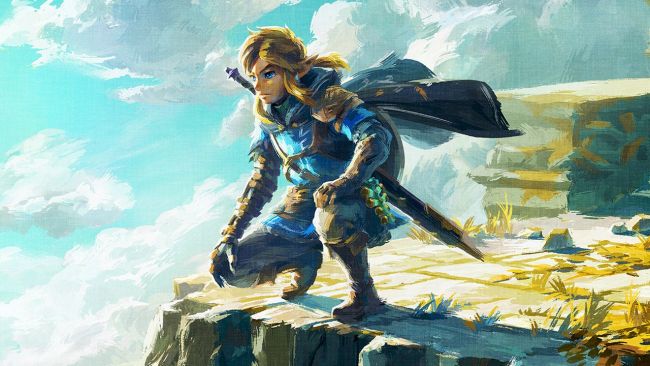
All you need is a silhouette to identify it: a straight blade, a guard often in bluish hues, a «noble» and recognizable look. This visual legibility explains why it has become a symbol in its own right, reproduced in illustrations, posters, collectibles and geek decor. Whether you're a long-time fan or an occasional player, the sword speaks to everyone.
5) A symbol that goes beyond gaming: collection, decoration, cosplay
When an object becomes iconic, it naturally ends up out of the screen. Displaying a Master Sword (or a variant inspired by the saga) means bringing a piece of this imaginary world into your home: in a display case, a gaming corner, a desk, or as the centerpiece of a decor.
It's also an excellent choice of gift for a fan: you're not giving «a sword» so much as a symbol of adventure, perseverance and the Zelda myth.
Design evolution: the details that make a “good” Master Sword recognizable
There is no single «definitive version» of the Master Sword. Its appearance evolves with each episode (graphic style, era, state of the sword, staging). And that's exactly what makes it so fascinating for fans: each generation has its own version. its Master Sword, while remaining true to a basic identity.
If you're looking for a replica (or comparing several versions), here are the most useful visual elements to observe, without getting lost in the details of a specific opus:
- Proportions: balance between blade length, guard size and handle (a detail that quickly changes the overall impression).
- The guard: shape and finish (often associated with a bluish aesthetic in the collective imagination, but with variations).
- The handle: texture, relief and the feel of a meticulous finish (even on a decorative piece, it's often the details that make the difference).
- The condition of the sword: some variants are inspired by an altered sword, marked by time or hardship, which totally changes the character of the piece.
- Presentation: a sheath, stand or display unit (when available), practical for clean presentation.
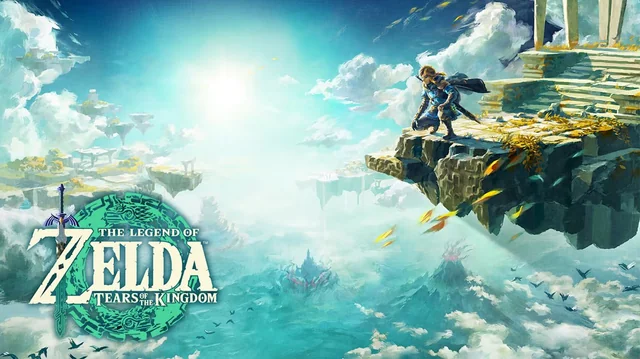
Choose a Zelda sword replica for your collection (exhibition, gift, cosplay)
A successful replica is one that corresponds to your use: showcase piece, office decoration, cosplay accessory, or striking gift. To help you, here's a simple checklist.
1) Start with the purpose: exhibition, cosplay or gift
- Exposure/decoration: focus on visual presence and meticulous finishes.
- Cosplay: above all, look for a piece that's practical to wear, easy to handle and consistent with your outfit.
- Gift: think about the available space (window, shelf, wall) and the fan's preferred style (classic version or more original variant).
2) Materials: the “realistic” effect vs. lightness
Depending on the model, you'll find metal versions (often appreciated for their rendering and weight) or lighter versions, suitable for staging and certain cosplay uses. The idea is not to aim for «better» in absolute terms, but to buy the most logical piece for your project.
3) Size: dagger/chest or centerpiece
A dagger or compact format fits easily into a display case. A more imposing version immediately catches the eye and becomes the focal point of a gaming corner. Before making your choice, imagine where you intend to display it.
4) What style of Master Sword do you prefer?
Two large families often appeal to collectors:
- The «classic» Master Sword, very faithful to the icon that everyone recognizes.
- Altered variants (marked, aged, corroded effect), which visually tell another side of the legend.

Some model ideas to discover at RMC
If you like easy-to-exhibit formats, a Master Sword-inspired dagger can be a great place to start, like the Zelda Master Sword. For a more raw aesthetic, the Zelda corroded dagger brings a very different character to the window.
And if you want to compare styles at your leisure, you can browse the Zelda sword category, a collection of models inspired by the saga.

Bonus: how to display it easily (wall, display stand, window)
- Wall: ideal for creating a “Zelda corner” visible at first glance (prefer a suitable fixing and a location out of reach of passing traffic). You can also take a look at sword display accessories (stand, display stand, wall mount).
- Display stand: perfect for a desk or shelf, especially for dagger formats.
- Display case: the best option for dust protection. In all cases, avoid humidity and prolonged direct sunlight.

Master Sword FAQ
What's the name of the “legendary” sword in Zelda: Zelda's sword or Master Sword?
The term «Sword of Zelda» is a popular appellation. The most common name is Master Sword, often translated into French as Legendary Sword or Master Sword depending on the version.
Why does the Master Sword appear in so many episodes of the saga?
Because it serves as a narrative and symbolic landmark: it embodies the moment when the hero fully assumes his mission, and it links the different eras of the saga through a single myth.
Which replica to choose for window dressing vs. cosplay?
When it comes to decorating, you'll want to focus on visual appeal and finishing touches. For cosplay, look for a piece that's comfortable to wear and consistent with your outfit (often lighter and easier to handle).
How to display a Zelda sword as decoration (wall, display case, window)?
The wall is excellent for immediate impact, the display works well on a shelf, and the display case provides the best protection from dust. Avoid humidity and prolonged exposure to direct sunlight.
Conclusion: an icon to display, collect and pass on
If the Master Sword has become a legendary symbol, it's not just because of its design: it's because it embodies a rite of passage, the recognition of the hero, a thread that runs through generations, and an instantly identifiable visual icon. And that's precisely why it lends itself so well to collection, decoration and cosplay.
Whether on display in a shop window or in a gaming corner, a replica of Zelda's sword extends the legend and rekindles the desire to embark on a new adventure with every glance.