How to Choose a Decorative Katana
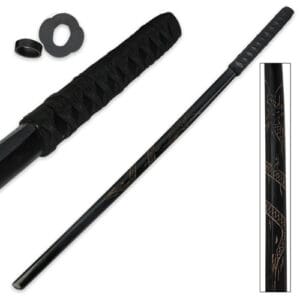
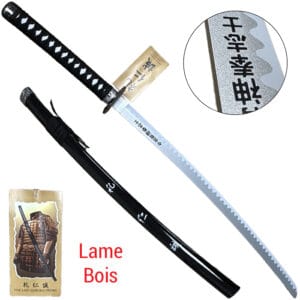
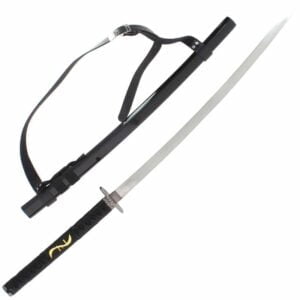
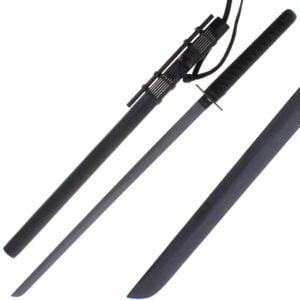
Start with the materials. Most models feature a stainless steel blade—often 440 steel—a metal guard, and a lacquered wooden scabbard. Katanas with painted wooden blades, such as The wooden katana from The Last Samurai, weigh about 500 g, and are also suitable for cosplay.
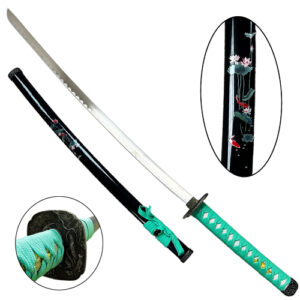
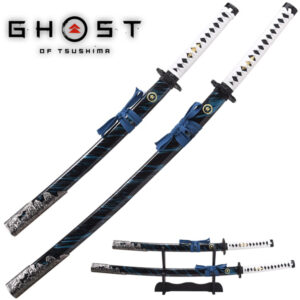
Next, choose the style. A simple katana, such as The "Flower of Japan" Decorative Katana, with a black-lacquered scabbard and green braiding, complements a Japanese-inspired interior; a replica from a movie or video game will resonate more with fans of the work. Also consider the format: a decorative sword on its own, or a set such as Jin Sakai's katana and wakizashi set, comes with a two-seat stand. Finally, measure the space where you’ll place it: most models measure between 1 m and 1.10 m, including the sleeve.
💡 Did you know?
In Japan, the pair consisting of a long sword and a short sword—most often a katana and a wakizashi with matching fittings—has a name: daishō, derived from the terms daitō, «long sword,» and shōtō, «short sword .» An edict issued in 1629 mandated that it be worn during official duties; then, beginning in 1683, it was reserved for samurai, for whom it became a distinctive symbol.
The Must-Haves of the Collection
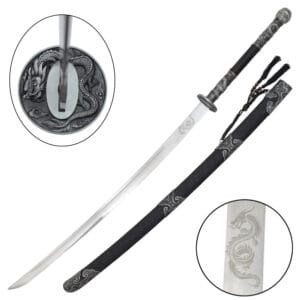
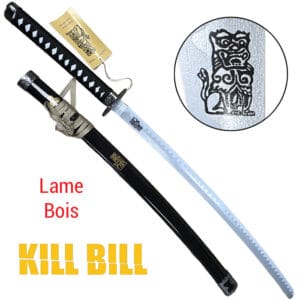
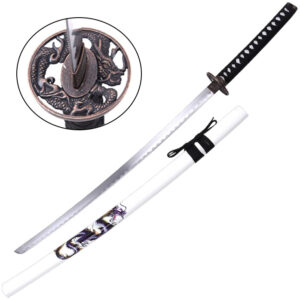
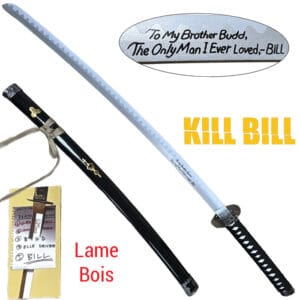
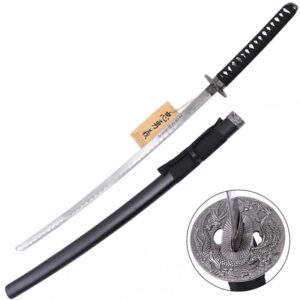
Among the traditional models, The Samurai Dragon Katana features a bronze-finished hilt adorned with a dragon and a lacquered wooden scabbard, also decorated with a dragon. In the world of cinema, Nathan Algren's katana, in The Last Samurai, features an engraved steel blade and a guard adorned with a dragon; it comes with a wooden stand. Fans of Kill Bill will find a wooden version Beatrice Kiddo's katana, engraved with the symbol of Hattori Hanzō.
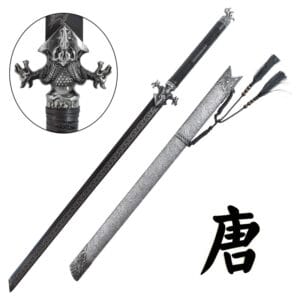
Two Chinese swords round out the display case: the Tang Dynasty sword, whose hilt features two intertwined dragon heads, and The Sword of the Ming Dynasty, with an 89-cm blade engraved with a dragon.
📜 A Moment in History
The Japanese sword was not always curved. Among the earliest types, the chokutō were straight and likely derived from ancient Chinese swords that reached Japan via the Korean Peninsula. They disappeared in the middle of the Heian period, in the 10th century, replaced by curved swords such as the tachi, which was worn suspended from the belt. The katana, which appeared later, was slipped into the belt with the blade’s edge facing upward.
Displaying and Caring for Your Decorative Katana
A katana can be displayed on the wall, on a piece of furniture, or standing upright. The 3-seat wall mount, made of wood with a metal hook, is also available in one- and two-seater versions; on a piece of furniture, the 3-slot freestanding display It is assembled by slotting the pieces together. The vertical stand for a tachi, which is 58 cm tall, is also suitable for a katana. Find all the models among Katana accessories.
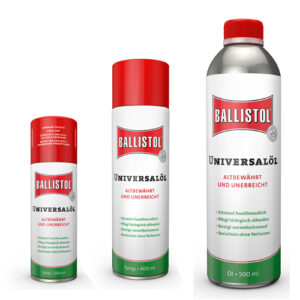
When it comes to maintenance, the acidity from your fingers can leave marks on the steel: wipe away any marks with a soft, lightly oiled cloth—such as one treated with Ballistol all-purpose oil—and keep your parts away from moisture. Our Katana Care Guide explains each step in detail.
⭐ Réplique Manga Ciné's Tip
Choose the location before hanging the katana. Measure the wall or piece of furniture: allow about 1 m to 1.10 m per katana, including the scabbard. If you plan to expand your collection, opt for a two- or three-sword display stand from the start: your swords will be displayed together on the wall, protected from repeated handling.
Frequently Asked Questions
What is the difference between a decorative katana made of steel and one made of wood?
The katana with a stainless steel blade, featuring a metal guard and a lacquered wooden scabbard, looks just like a Japanese sword on display. The katana with a painted wooden blade, designed to look like steel, weighs about 500 g: it’s easier to handle and is also suitable for cosplay.
Are there katana and wakizashi sets?
Yes. The Jin Sakai set includes a 103-cm katana and an 80-cm wakizashi, including sheaths, displayed on a two-sword stand. To create your own set, the three-shelf stands—whether wall-mounted or freestanding—can hold multiple katanas or a katana accompanied by a wakizashi and a tanto.
Can you buy and carry a decorative katana?
Metal replicas are restricted to adults. When transporting your katana, always keep it in its box or in a sheath; never carry it by hand on the street. At trade shows and conventions, metal replicas are usually prohibited, and sometimes even wooden ones: replicas are generally only allowed for cosplayers during parades.
To learn more, read our article How to choose the perfect decorative katana for a unique collection?