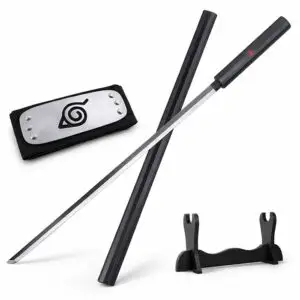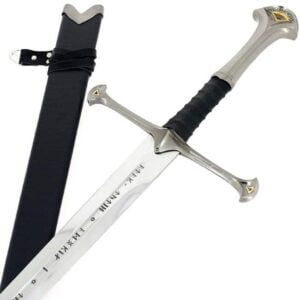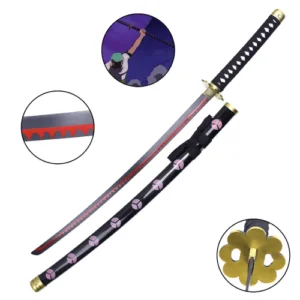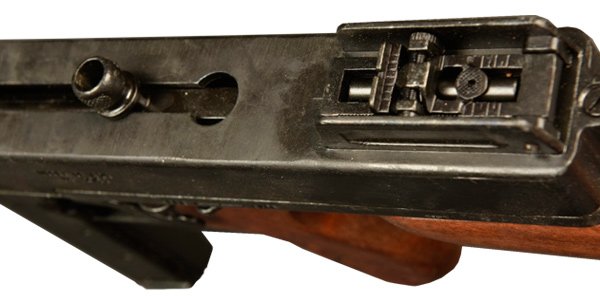





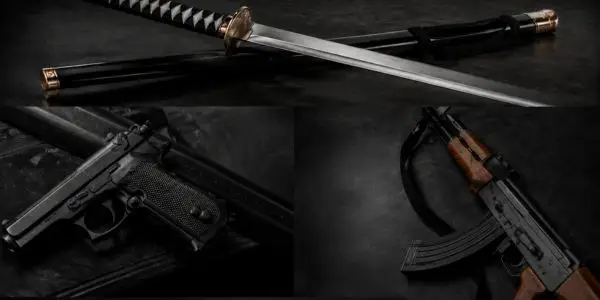
A decorative replica feels “real” when it convinces both the eye and the hand. For a similar volume, metal often brings more presence thanks to its weight, balance, feel, reflections and more credible sound. The result: in the shop window, when held in the hand or photographed, the object appears less of a “toy”. To explore pieces in this spirit, take a look at our katanas and decorative swords, bearing in mind that metal is not always suitable for cosplay events.
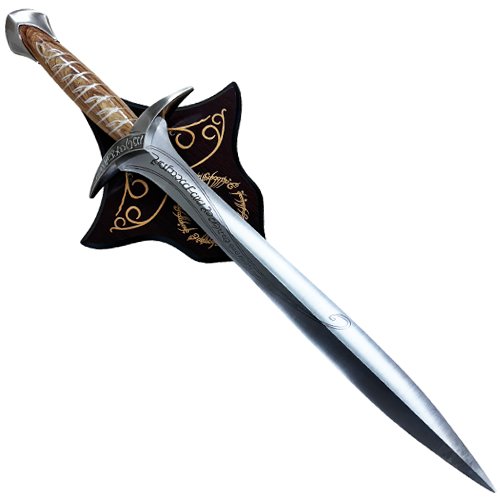
Here, “dummy weapon” refers to a decorative replica, collectible or cosplay accessory inspired by your favorite universes, not intended for real use. To understand what creates realism, we'll review density and inertia, balance, feel, sound and finish quality. This will enable you to choose the most coherent material for your application.
What makes a replica realistic beyond the visual?
Realism isn't just a question of silhouette: it's an addition of clues that your brain picks up in a fraction of a second. A replica may look great in photographs, yet “sound fake” as soon as you hold it in your hand, because the weight, rigidity or texture don't match your idea of a “real” object. Conversely, an object with the right details and feel can seem surprisingly believable, even if its finish isn't ultra-complex. For a fan, good realism is that which respects the universe while being pleasant to display and consistent with use.
- Visible proportions and details, including edges, engravings and joints
- Felt weight and inertia when the object moves
- Balance, especially on sabres and long pieces
- Touch, contact temperature and surface texture
- The sound of movement or contact, more or less “hollow”.”
Why metal looks more realistic
The first “shock” of realism is density. At comparable size, a metal object generally has more mass than its plastic, EVA foam or wood counterpart, which changes the feel in the hand and the inertia of movement. This sensation is a powerful clue: it aligns what you see with what you feel. The Canadian Conservation Institute (metal density) reminds us of the principle: for the same volume, some materials naturally “weigh” more than others. Without going into the figures, keep in mind the simple idea: the more “matter” an object seems to have, the more credible it appears.
The words “full metal” are sometimes misleading
However, it's also important to understand that some marketing terms can be confusing. For example, the expression “full metal” does not always mean that a replica is made entirely of metal. Often, only certain parts are made of metal. In reality, it may refer to an alloy, metal inserts or a partially reinforced structure. Even so, this type of manufacturing generally improves the overall appearance. So, even without a high-end finish, a metal dummy gun looks more credible than a plastic or resin model.
Metal enhances sensations and realism
Finally, feel plays a key role in why metal dummy weapons appear more realistic than others. Firstly, metal naturally transmits cold or heat. The grip therefore feels more authentic. Secondly, it produces a denser, less hollow sound during handling. This immediately reinforces the realistic effect. What's more, metallic reflections often appear more natural. Micro-scratches and slight traces of wear also seem more believable than painted ageing on plastic.
Metal, resin, plastic, EVA foam, wood: which material for which use fan
For decoration and collection, metal is often the most immersive choice, because it “occupies space” and immediately gives the impression of a showcase piece. It generally stands up better to long-term exposure, provided it is kept dry and wiped gently. For a manga or cinema corner, a metal replica goes very well with display stands and accessories, It can also be used for lighting design, as reflections and volumes emerge naturally. The comparison below briefly summarizes the strengths of each material according to use.
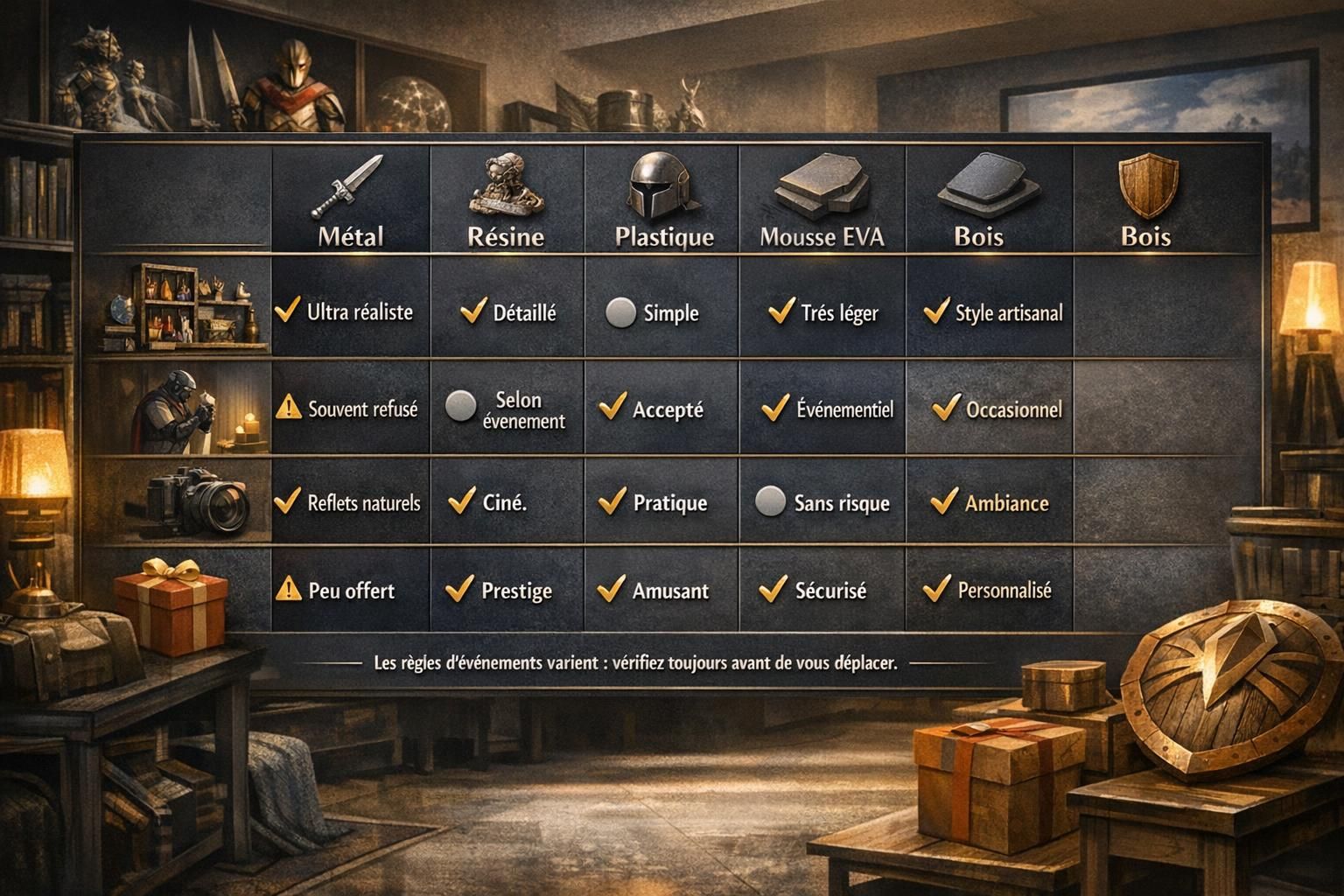
For event cosplay, the logic is frequently reversed: EVA foam and certain plastics are preferred for comfort, safety and acceptance by organizers. Many conventions apply strict rules on realistic objects, and some simply refuse to use metal, even if the object is decorative. A lighter replica also reduces fatigue over a full day, and limits risks in dense areas. If you're aiming for a faithful silhouette in convention, a good, well-painted EVA can be more “realistic” in practice, because it lets you wear the accessory without stress.
Image rendering also depends on the finish
For photography and video, metal has a natural advantage over reflections and edges. Light often catches the material better. However, a well-molded resin can also offer excellent visual results. With careful painting and good lighting, it can be perfectly “on camera”. Productions regularly use several types of props, depending on the scene. Some lines are used for close-ups. Others are chosen for their lightness or safety. The most important thing, however, is the desired look. A piece that is too shiny or badly aged may seem less believable than a perfectly crafted resin.
Choosing the right material for the job
When giving a replica as a gift, the first thing to consider is the recipient's profile. A collector will often appreciate metal for its visual presence and realistic weight. The object looks more authentic in a display case. A cosplayer, on the other hand, will generally prefer a lighter material that's easier to carry. This improves comfort during events. Wood, for its part, offers an interesting compromise for decoration. However, it sometimes looks less realistic when it has to imitate a forged blade. Ultimately, the best choice depends above all on the actual use: exhibition, transport or staging.
How to recognize a good decorative metal replica
A realistic metal replica can rarely be identified by a single mention such as “full metal”. What counts are the finishes, the consistency of surface choices and the quality of assembly, as these are what avoid the toy effect. To find out more, consult our guide 5 mistakes to avoid before buying a replica gun. Before choosing, try to evaluate the piece as a beautiful decorative object: do the details tell the world, is the shine mastered, does the whole look solid and clean? A good piece doesn't have to be “aggressive”: it should be credible, balanced and pleasant to display.
- Homogeneous finishes, with no excess paint or drips
- Clean details and consistent proportions, with no “soft” or simplified areas
- Clean fits, with little play and discreet fasteners
- Credible surface, rather brushed or satin-finished if the universe lends itself to it, with a consistent patina if present
- Logical handling, with a sense of balance even for a purely decorative piece
- Neatly presented, as a sleeve, base or wall bracket for showcasing
- Easy maintenance, with gentle wiping and dry storage to prevent oxidation
- Good safety sense, discreet transport, no public display, rules for venues and events to be respected
On this last point, it's worth remembering that even productions strictly regulate the use of weapons and props: the ETIS20 document from the Health and Safety Executive (HSE) in the UK illustrates the importance of procedures and control, precisely because a realistic object can be confusing. If you're looking for an immersive decorative piece, explore our inspired replicas, katanas and decorative swords to choose the right model for your use and your space.
Conclusion: metal looks more realistic because it combines several cues at once: weight, inertia, balance, feel, sound and reflection can all “ring true” effortlessly. But the best material always depends on your objective, between showcase, photo and cosplay. By choosing a credible finish and meticulous presentation, you can transform a simple decorative replica into a real piece of the universe for display.