Pompeii-type Roman sword
To begin with, the
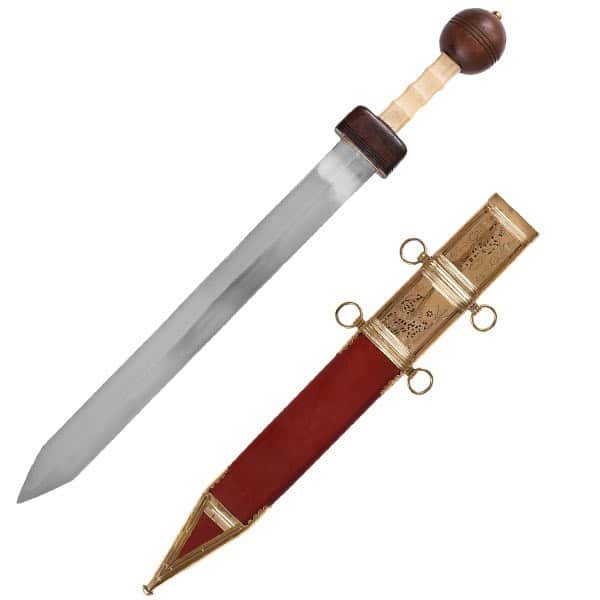
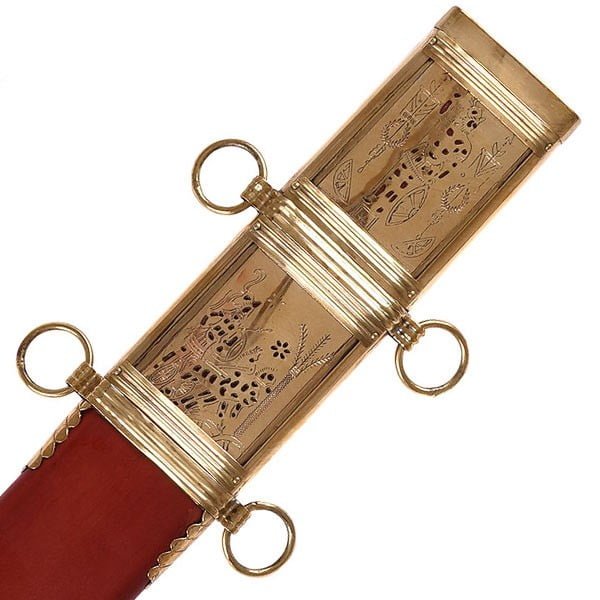
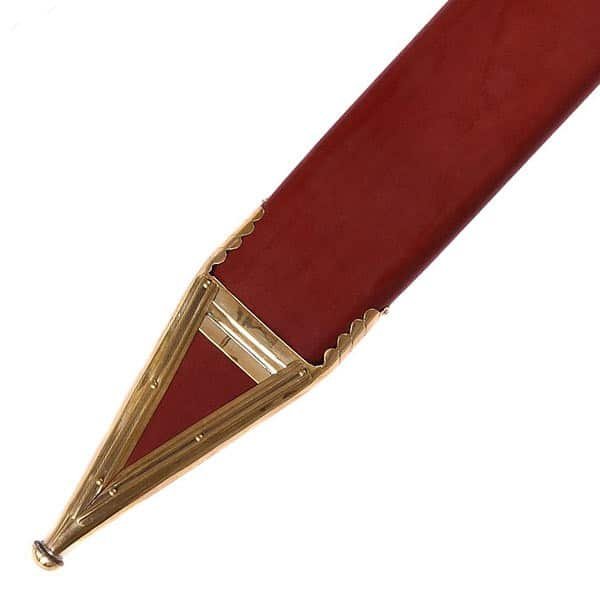
Pompeii-type Roman sword is a reproduction of a legionnaire's sword found at Pompeii. Today, parts of it are on display at the National Archaeological Museum in Naples.
In 79 AD, the volcano Vesuvius destroyed and completely buried Pompeii. Covered by 4 to 6 metres of ash, it was preserved for almost 2000 years before being rediscovered. Its excavations have provided an extraordinarily detailed insight into the Roman Empire.
Named by modern historians after the Roman city of Pompeii, this Gladius is by far the most popular. This replica is made in India by
Deepeeka.
Your Roman Glaive Pompeii at the best price.
We offer a wide selection of swords and helmets from the Antique period.
First and foremost,
That's why we've come up with some superb gift ideas for all those who love antiquity.
In conclusion, you can use this
Pompeii-type Roman sword for your historical re-enactments or themed evenings. But above all, it's a collector's item and a decoration.
How to maintain the blade of your antique sword?
Collector's and decorative swords are made and assembled in a simplified way. As their use is decorative, they lack the safety features required of a Japanese sword intended for training.
However, your
Pompeii-type Roman sword to a steel blade that needs to be cared for to avoid damage over time. In fact, when you display your katana, your friends will be curious to see the blade and touch it. This is where you need to be careful, as the acidity of your fingers is very harmful to steel, whatever its quality.
However, if this happens, don't panic, just use a cloth dampened with a little oil and wipe off any fingerprints. If you do this, your sword will last a very long time.