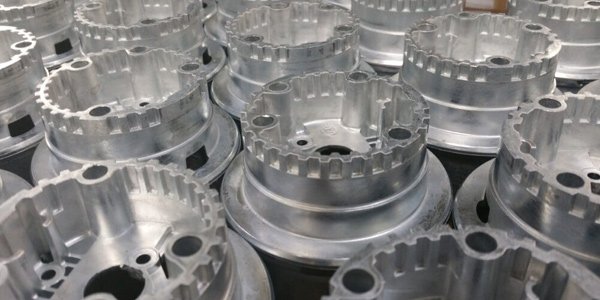
First of all, zamak, an alloy of zinc with aluminum, magnesium and copper. Its name derives from the German acronym for each element in its composition: Zink, Aluminium, Magnesium and Kupfer (copper).
Widely used in a variety of industries, particularly in the manufacture of injection-molded parts. It offers good tensile strength, high hardness and excellent dimensional stability.
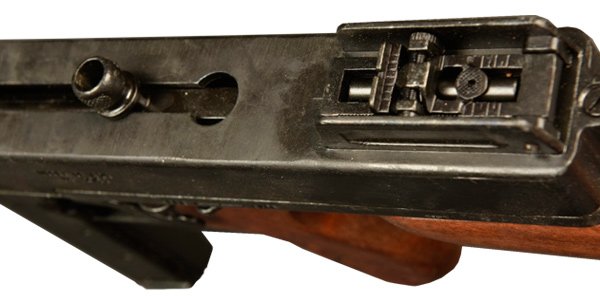
In the field of replicas, such as Kolser weapons and DenixZamak is very popular. It can be used to produce objects with a high level of detail and precision. At the same time, it is lighter than traditional metals such as steel. This makes zamak replicas both practical and faithful to the originals. In fact, this is why Kolser and Denix reproductions are so realistic, yet affordable.
This zinc alloy, enriched with aluminum, magnesium and copper, is recognized for its versatility and multiple assets. It is widely used in industry, as well as in the manufacture of replicas and decorative objects.
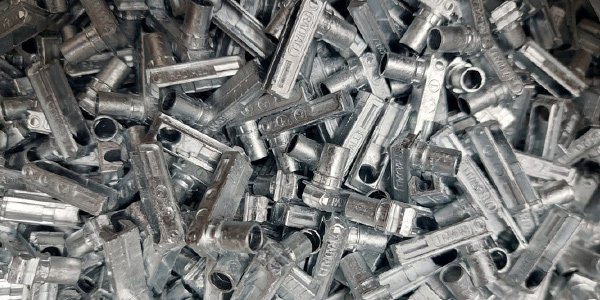
Particularly well-suited to die-casting, this material can be used to produce parts with complex, very thin configurations. The result is a high degree of design freedom and the ability to produce precise details. Zamak's excellent mechanical properties, such as excellent die-casting properties. Its dimensional stability and resistance to corrosion (a primary function of zinc is to protect steel) make it a preferred choice for fast, high-volume production.
Its ability to produce complex, durable parts at high production rates. Makes it a technically reliable and economically very competitive alloy for technology designers. In short, zamak combines performance, durability and cost. This makes it extremely attractive for the mass production of high-quality parts.
First and foremost, zamak is used in a multitude of industrial sectors. Here are just a few examples:
– The automotive industryWe use it to manufacture components such as instrument panels and lighting systems. But also braking, windscreen wipers, wheel balancing and passenger compartment safety.
– The building sector also benefits from its advantages, using it for hinges and shutter mechanisms. As well as blinds, locks and ventilation systems.
– For decorationZamak is used in watchmaking, perfumery, cosmetics and advertising.
- It plays a crucial role in electricity and electronicsfor components such as alarms, electrical cabinets and control boxes.
– In apparelfor buckles and zippers, offering durability and aesthetic appeal.
– The armaments sector is not to be outdone, using it for the bolts and slides of certain weapons, where its robustness is essential.
- Finally, the toys sector takes advantage of its properties to manufacture reels, cycling accessories and miniature cars. This demonstrates the extent of its application to products requiring both precision and strength.
Zamak stands out for its exceptional mechanical strength, particularly at room temperature. Its yield strength exceeds that of aluminum and magnesium alloys, as well as that of the toughest plastics.
Zinc alloys are capable of absorbing a significant amount of energy by deforming under stresses that far exceed maximum permissible limits.
They feature high resistance to shear, torsion, bending and compression. These features reduce the volume of parts required.
Resilience and ductility are also notable qualities of zinc alloys. They offer high impact strength and good ductility, which is crucial for post-foundry operations such as riveting and crimping.
Finally, their hardness makes them more resistant than those made of aluminum or magnesium. The addition of copper further enhances their resistance to wear. In conclusion, zamak is the preferred choice for many industrial applications where durability and performance are crucial.
Not only durable and robust, but also 100% recyclable. This makes it an ecologically responsible option for industries using it. The ability to recycle it without loss of quality, one of its most valued properties. Used or end-of-life parts can be melted down and reused. And with the same mechanical and aesthetic characteristics as the original material.
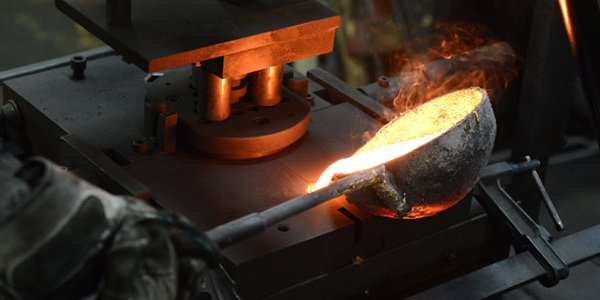
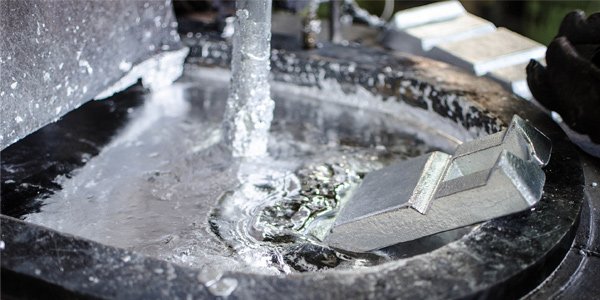
The recycling process involves sorting and separating zamac parts from other materials, followed by a melting process. During this phase, the metal is heated until it melts, thus eliminating impurities. The resulting bath is then filtered and re-analyzed to check compliance with the standard. It is then cast into ingots ready for further use.
This recycling method not only helps to reduce industrial waste. It is also energy-efficient compared to the extraction and production of new metals.
What's more, by reducing dependence on virgin resources, recycling helps reduce the environmental impact of industrial manufacturing processes.

To provide the best experiences, we and our partners use technologies like cookies to store and/or access device information. Consenting to these technologies will allow us and our partners to process personal data such as browsing behavior or unique IDs on this site and show (non-) personalized ads. Not consenting or withdrawing consent, may adversely affect certain features and functions.
Click below to consent to the above or make granular choices. Your choices will be applied to this site only. You can change your settings at any time, including withdrawing your consent, by using the toggles on the Cookie Policy, or by clicking on the manage consent button at the bottom of the screen.