Roman Glaive
To begin with, the
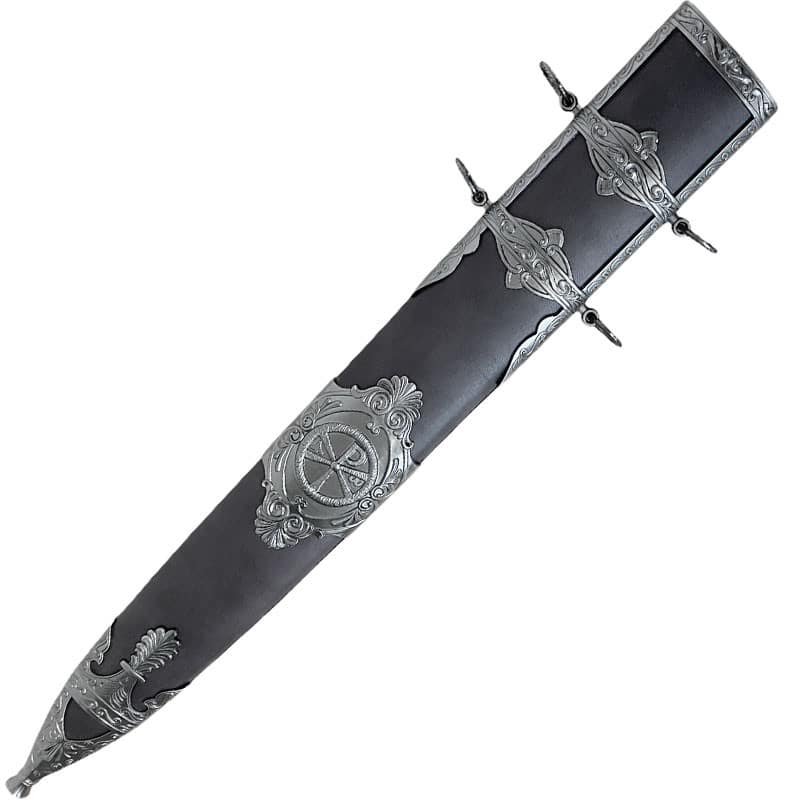
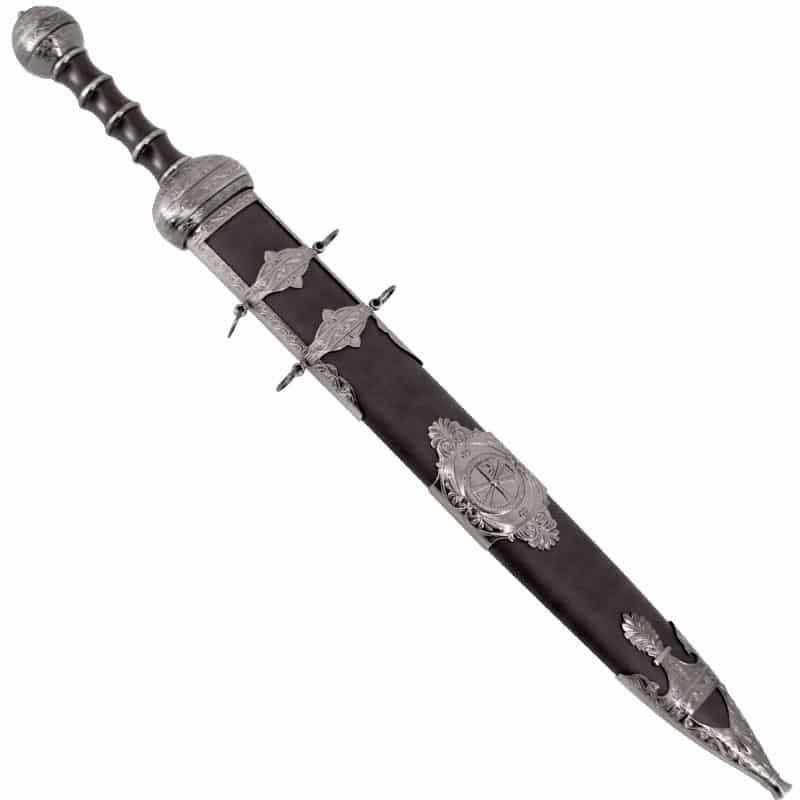
Roman Glaive (called gladius in Latin) is used to designate a short sword, the weapon of Roman legionaries. Tiberius sword
Unfortunately, little or nothing is known about the development of the Gladius during the last four centuries before the Christian era. Roman swords found in archaeological finds only date from the 1st century BC.
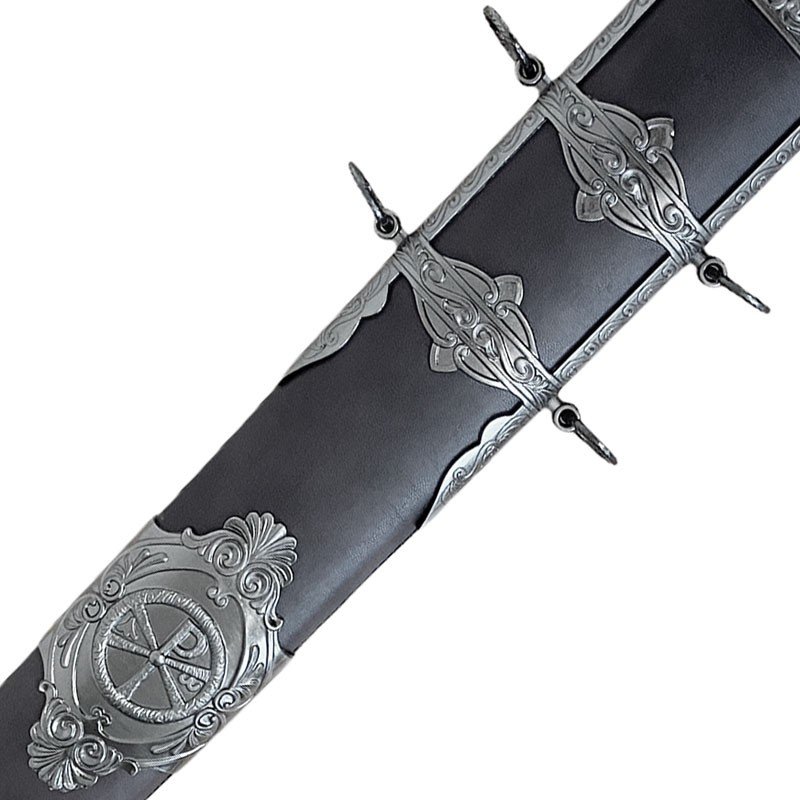
The only thing that confirms their kinship with the Roman Gladius is the fact that they have exactly the same type of scabbard. Since the Romans kept the four attachment rings.
This Roman Glaive is for decorative purposes only, or for non-combat re-enactments. In fact, the blade is not sharp and is by no means unfit for combat.
Your Roman Glaive at the best price.
We offer a wide selection of swords and helmets from the Antique period.
First and foremost,
- L'Tiberius' sword imported from India and manufactured by Deepeeka.
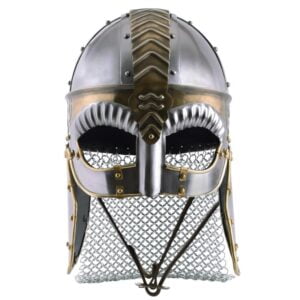
- And Maximus's helmet from the film Gladiator.
- There is also theJulius Caesar's sword in two colors by Denix.
- And much more to discover in our online store!
That's why we've come up with some superb gift ideas for all those who love antiquity.
In conclusion, you can use this
Black Roman sword for your historical re-enactments or themed evenings. But above all, it's a collector's item and a decoration.
How to maintain the blade of your antique sword?
Collector's and decorative swords are made and assembled in a simplified way. As their use is decorative, they lack the safety features required of a Japanese sword intended for training.
However, your
Black Roman sword to a steel blade that needs to be cared for to avoid damage over time. In fact, when you display your katana, your friends will be curious to see the blade and touch it. This is where you need to be careful, as the acidity of your fingers is very harmful to steel, whatever its quality.
However, if this happens, don't panic, just use a cloth dampened with a little oil and wipe off any fingerprints. If you do this, your sword will last a very long time.